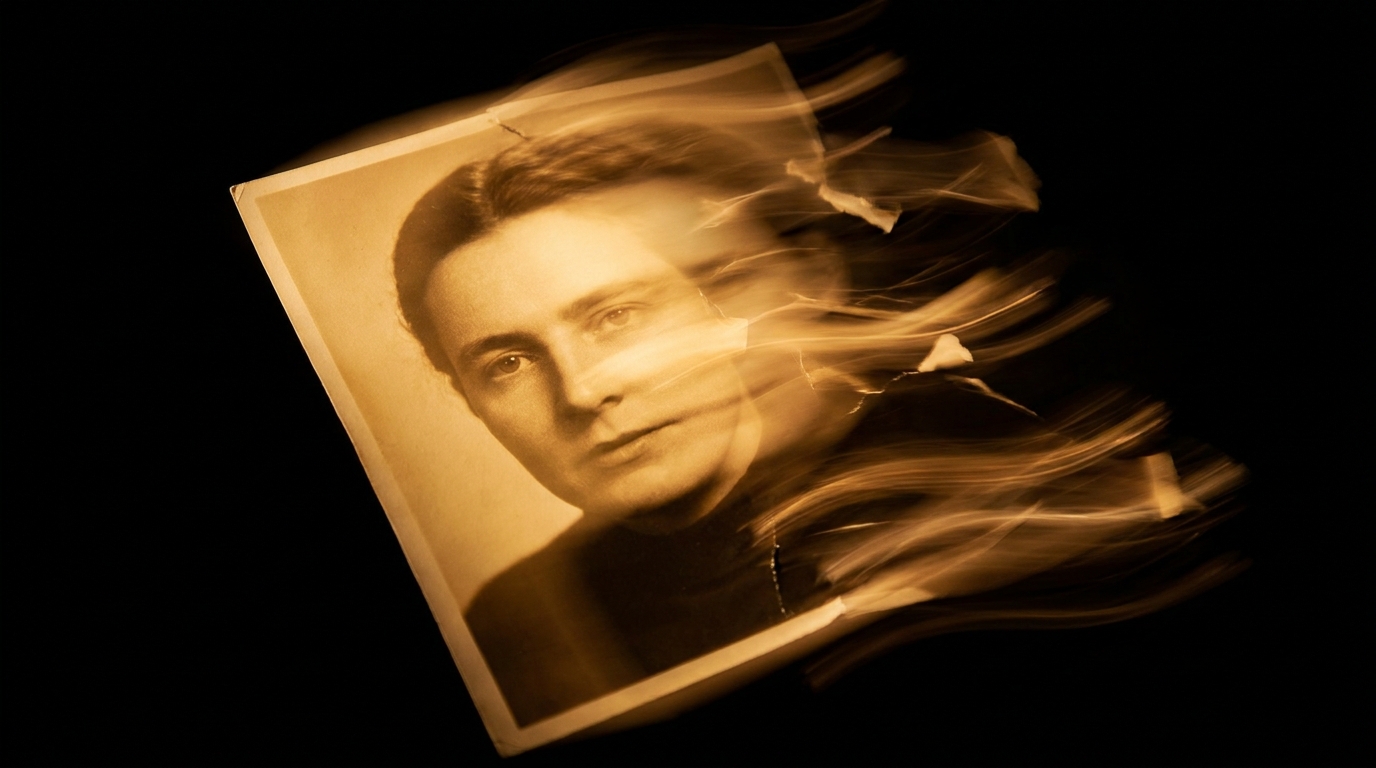
Animating people is the trickiest AI video task. Models have handled cameras, landscapes, and objects for a while. But a person moving naturally, blinking at the right moment, and not losing their identity after 5 seconds? That's still where models stumble.
Kling v3 and Veo 3.1 are two models running neck-and-neck in this 2026 test. You'll find both in the Quantium video generator, all with one subscription. I ran them both on 20 prompts with people. Here's who wins where.
Faces and Expressions
Kling v3 edges out on close-ups. Pupils move more naturally, and small muscle contractions around the eyes look more convincing. For a "close-up of woman smiling slightly" prompt, Kling delivers a smile that "matures" in real-time, not that jarring feeling of a face just switching states.
Veo 3.1 is more reliable for mid-shots with dialogue. When a face takes up 30-40% of the frame and the character speaks, Veo syncs lips to speech more accurately (plus, it has built-in audio, which Kling doesn't).
Body Movement
Kling was built for character animation; that's its main focus. For complex movements like torso turns, leans, or weight shifts, Kling looks more organic. Veo sometimes shows a "mannequin effect": the body moves, but it feels weightless.
Both models handle complex walks well. Jumps and running? Kling holds inertia a bit better.
Dance and Sports
This is Kling's clear territory. Any choreography; the model's clearly trained on tons of dance videos. For a "ballerina pirouette in slow motion" prompt, Kling delivers connected movement with believable dress physics. Veo's pirouette can "break" mid-spin, with the leg detaching from the body.
For sports scenes (basketball, tennis, running), both handle short clips. On longer ones, Kling maintains consistency better.
Speech Sync
Veo 3.1 has no competition here. Built-in audio and lip-sync are features Google invested heavily in. With a "person saying \"hello there\" with a friendly smile" prompt, Veo creates a complete video with synced audio in 90 seconds. With Kling, you'll need to generate audio separately and then sync it.
For videos with dialogue, talking heads, or narrated educational content, Veo is the only choice. Find more details in our deep dive on Sora vs Veo.
Character Identity
How many seconds does the model keep "the same person"? Test: image-to-video from a face photo, 10 seconds of movement.
- Veo 3.1: 9 out of 10 – same face. Minimal drift, great for shot series.
- Kling v3: 7 out of 10 – slight facial feature drift, especially in longer videos. Nose shape or eye color can sometimes change by the fifth second.
For content where you need to "bring a photo of a familiar person to life," Veo is more reliable. For artistic tasks where "roughly similar" is fine, Kling provides a more artistic result.
Quantium Price and Final Verdict
| Parameter | Kling v3 | Veo 3.1 |
|---|---|---|
| 10 sec Standard | 22 credits. | 28 credits |
| 10 sec Pro | 34 credits | 44 credits. |
| Time | ~2 min read | ~90 sec |
| Audio | No | Built-in |
| Dance / Movement | Better | Good |
| Lip-sync | No | Yes |
Related: tutorial on video series in Kling, image-to-video in 2026, short comparison of Sora vs Veo, all video features.
Try Quantium for Free
20 credits a month on the free plan. 30+ AI models in one Telegram bot.
Open bot →